Skip to content

Every AI knows what you typed. TraitTune knows who you are.

AI chat that knows you before the first message — through rigorous psychometrics, not chat-log inference.

Always-free tier Encrypted profile Delete anytime
What protects this

Four layers no one else stacks.

Each layer alone is hard. Stack all four and the humanity layer becomes a category, not a feature.

AI that knows you BEFORE you speak

We use embeddings + memory too — but unlike everyone else, we also start from a validated psychometric portrait at minute zero. Cold-start solved by design, not by collecting more of your data.

Privacy as architecture, not a policy page

RLS by default, no training on user data, BYO LLM means we never see outbound chat. Continuous calibration runs on anonymized data only. SOC 2 / GDPR / HIPAA-aligned.

Real measurement, not vibes

754 items × 5 formats × 288,132 calibration responses × 15 dimensions. Joint MIRT + Thurstonian, 1,199 simulated personas, 5-axis validity. Adaptive MUPP-CAT — SOTA for real-time recalibration. Incumbents licensing Hogan/SHL can't match it.

Read the methodology

SoulHQ.md — the software AI agents depend on

Calibration hub where agent souls live. The next trillion 'users' won't be people — they'll be agents. SoulHQ.md is where they go to learn the human they serve.

Open SoulHQ.md
Playground · try it

Pick a prompt. See the gap with vs. without your PsyDNA.

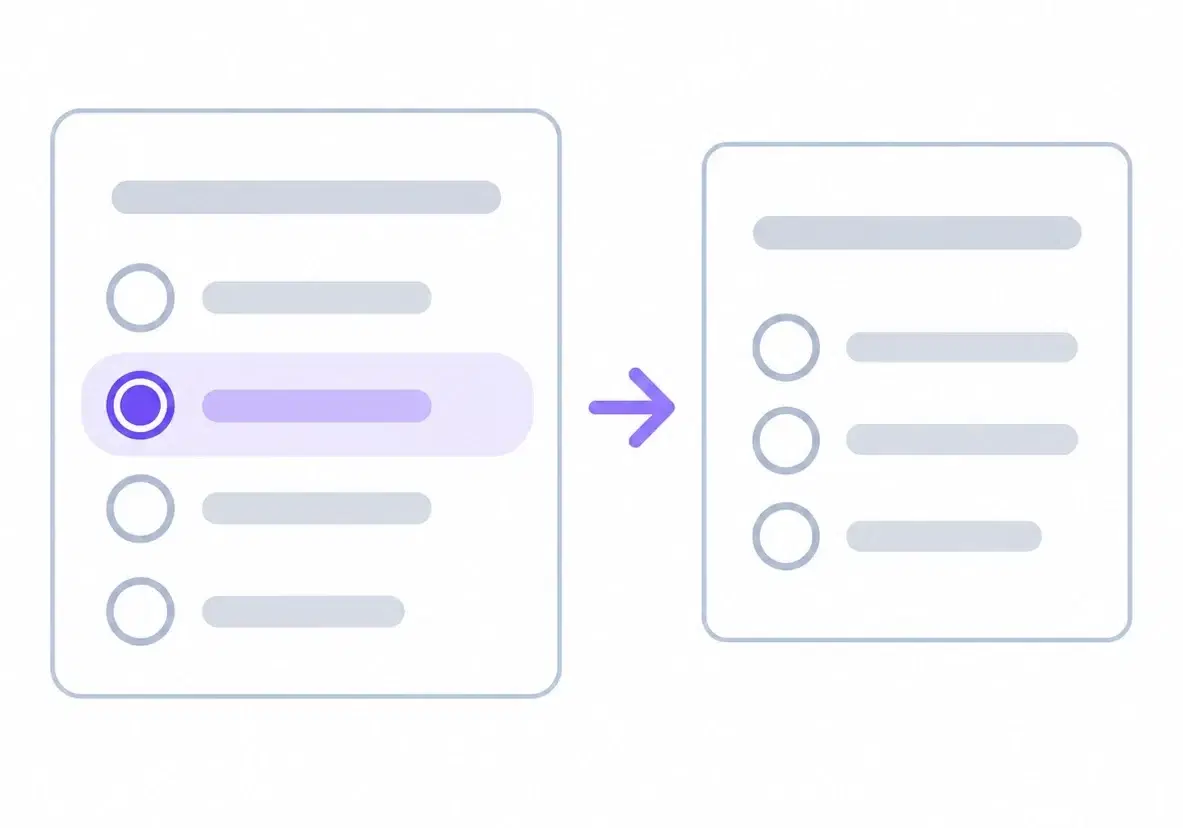
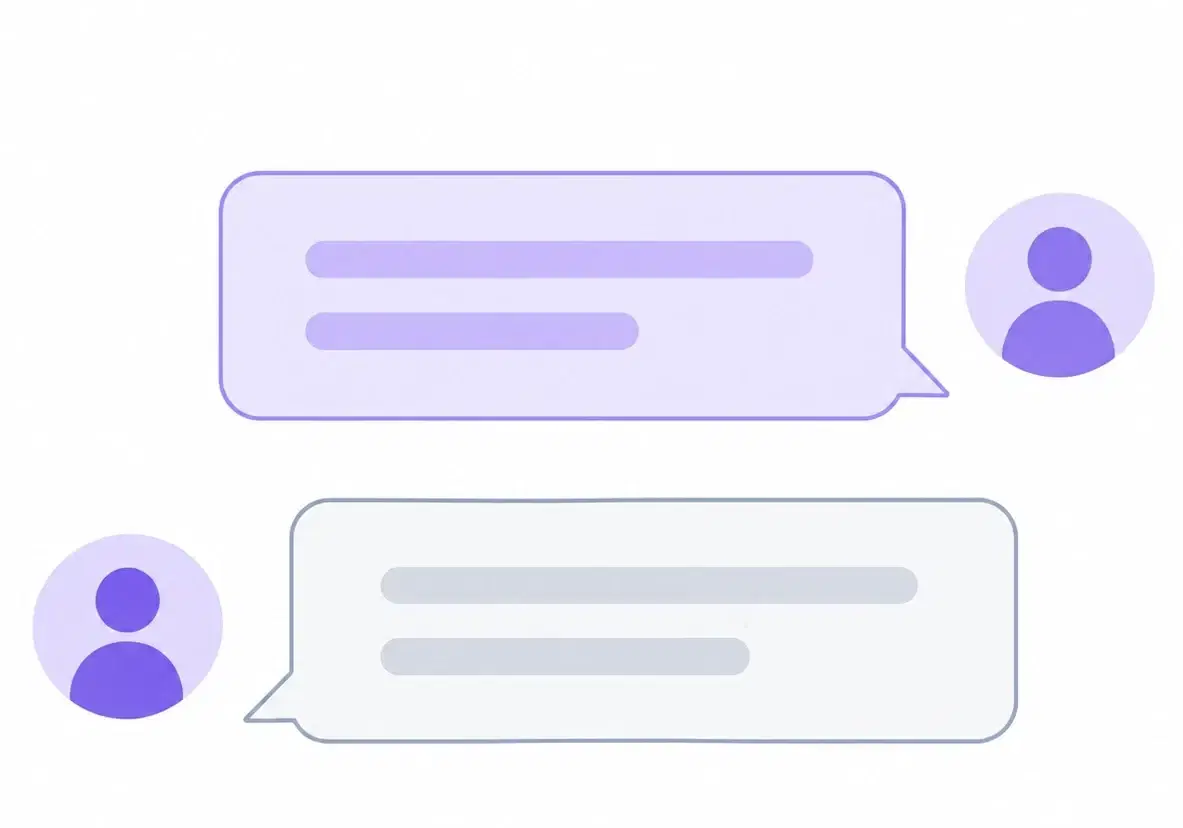
Two assistants, same question. Left reads your TraitTune profile. Right guesses from chat logs. Click any prompt — the answers stream side-by-side.

I'm drowning in next week's workload. Help me plan it.

auto
TT-Pro

Answers generated by LLM · your profile data stays unrevealed and secure to the LLM under the TraitTune's umbrella.

Not live — illustrative sample. Memory replays your transcript; the profile reflects who you actually are. Try the real thing

What you actually get

Your Complete Profile — yours, end to end.

Scroll inside the actual /results page. Real narrative, real dimension breakdowns, real confidence bands. Exportable, deletable, encrypted at rest.

Screenshot of TraitTune Complete Profile results page
Why now

Three forces just collided.

All three converging in 2026 is why the humanity-layer category is opening now — not in 2027, not in 2025.

1

EU AI Act enforcement fires Aug 2, 2026.

Same week SR007 begins. Chat-log dumping to third-party vendors becomes a regulatory hazard. TraitTune is SOC 2 / GDPR / HIPAA-aligned — 12 months ahead.

EU Commission · 2026

2

AI companionship is mainstream.

76% of personal-guidance conversations on Claude concentrate in health, career, relationships, finance. 900M weekly ChatGPT users now expect the AI to know them.

Anthropic 2026 · OpenAI metrics

3

Inference cost fell 10× per year since 2024.

Validated psychometrics at sub-$0.10 per session is finally consumer-economical. The economics that gated a 'humanity layer' three years ago no longer gate it.

Epoch AI · 2024–2026

All three aligning is a "critical mass" moment (Pete Flint, NFX, Apr 2026) — the same pattern just gave Waymo 33% rider retention vs Lyft's 22% in SF. We're at that moment for portable AI personality.

5 entry points · 1 profile

One profile. Five doors.

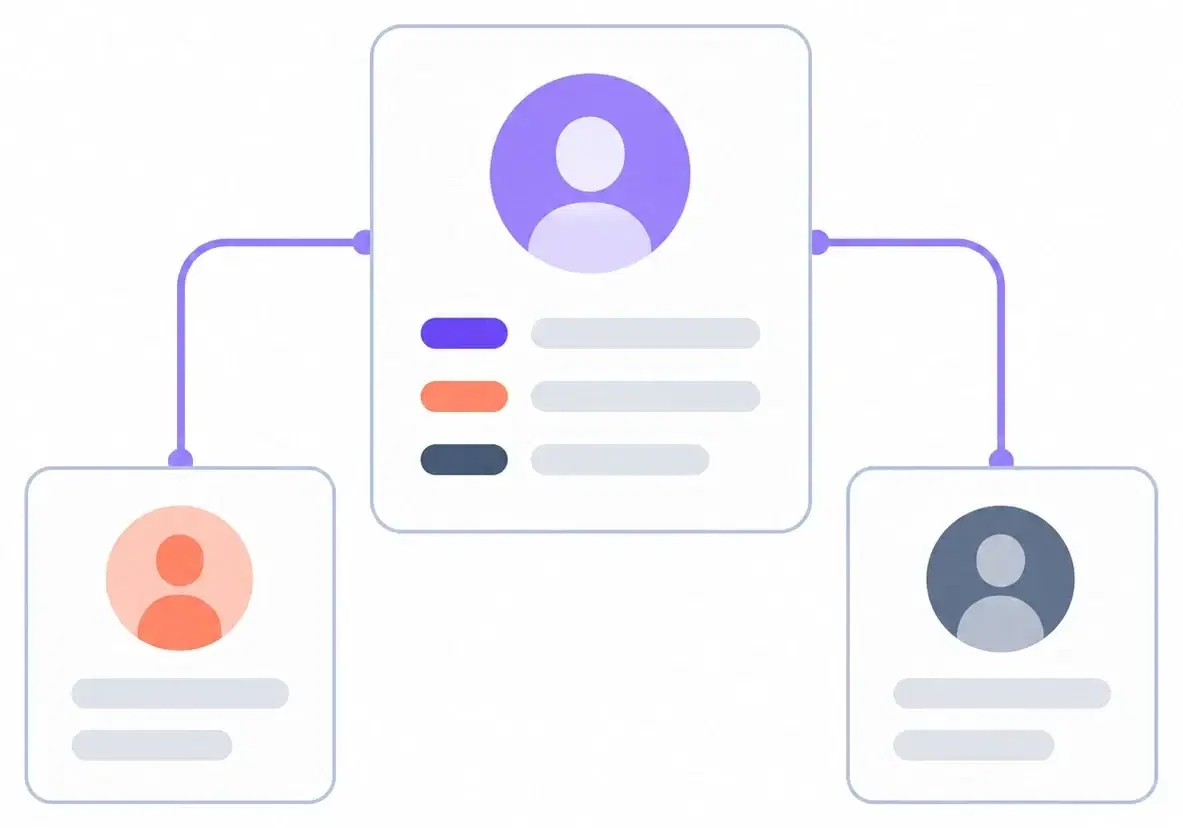
Same PsyDNA core, different lens. Take any one and the rest unlock instantly — symmetric, opt-in per surface, revocable from Dashboard.

Scientific foundation

Built on modern psychometrics, not keyword-era testing

Same statistical machinery behind the GRE, GMAT, and the most-cited personality instruments in the literature — re-fit on hundreds of thousands of human responses, with adaptive scoring rebuilt for forced-choice formats. The work is documented; the model is named.

A synthesis of modern trait frameworks

Fifteen bipolar traits that read in plain language but trace back to the personality research most widely cited in the academic literature. Built on the Big Five and HEXACO traditions, organised so the same profile makes sense whether you're using it at work, in a relationship, or planning a move.

MIRT-CAT adaptive engine

Every question you answer narrows the picture, and the next question is chosen to learn the most from your specific answers so far. You finish with a sharper profile in fewer items than a one-size questionnaire — and the engine tracks all fifteen traits in parallel, not one at a time.

MUPP-CAT forced-choice blocks

Instead of agree/disagree sliders, we show three statements and ask which fits you most and which fits least. There's no socially safe middle to hide in, and trying to game it pushes your score in less predictable directions, so the result reflects you rather than the version of yourself you'd want a stranger to see.

Balanced item design

Each trait is probed from both directions in matched proportions, statements inside a triplet are tuned to feel equally flattering, and every item passes a multi-stage content review. The point is to keep your answer style — not your honest signal — out of the score.

Continuous refinement

The model behind the questions is re-fit on a regular cadence as more people complete the assessment. A new version only ships once it passes formal stability checks and out-performs the previous one on held-out responses, so the instrument gets quietly more accurate over time.

Read the full methodology page for model specifications, item-development protocol and references.

One profile
for the AI era.

Take five minutes — get a portable PsyDNA profile every AI you use can read. Always-free tier. Encrypted profile. Delete anytime.

Try TraitTune

Methodology and references are published.

Still on the fence? Read first, decide later.

Two doors, no signup. The FAQ answers the obvious questions in plain language. The methodology page publishes the models, the item-development protocol, and the references — so you can check the work before you spend a minute on the assessment.